

The Songloulou hydroelectric power plant is stable


.

Thus fares the nearly fifty-year-old facility, which continues to play a central role in supplying the South Interconnected Grid of Cameroon, maintaining the availability of its 384 MW capacity, sometimes producing beyond that, and contributing 35% to the total volume of energy transmitted to the SIG (South Interconnected Grid). This performance is due to significant investments for the continuous security of the structure and the management of a condition noted since the 1980s.
Context
Improving the electricity supply in Cameroon is a challenge facing the various stakeholders in the national electricity system under the supervision of the Ministry of Water and Energy. In order to meet growing demand and the major challenge of ensuring the sector's financial stability, the stakeholders are currently implementing the recovery plan for the sector, with a focus on the transmission and distribution segments, where the current investments are intended to provide a rapid boost.
Each stakeholder is working within its own constraints, with a view to making a major contribution to improving the electricity supply. This takes into account the fact that the generation segment has reached a certain maturity, driven by the construction of major facilities in recent years and increased maintenance of existing generation facilities. In this context, safeguarding the historic dams, diversifying sources (with renewable solar energy in particular) and the ongoing construction of new dams are the pillars that will enable generation to keep pace with demand growth of around 7%. In this context, it is well known that in the Southern Interconnected Grid, the Songloulou hydroelectric dam is a major infrastructure due to its vital contribution.
Electricity generation in the SIG: Distribution and trends
Cameroon's Southern Interconnected Grid (SIG) depends mainly on three major hydroelectric power plants: Songloulou, Edea and Nachtigal. Data from 2015 to 2025 show a significant evolution (see power point).
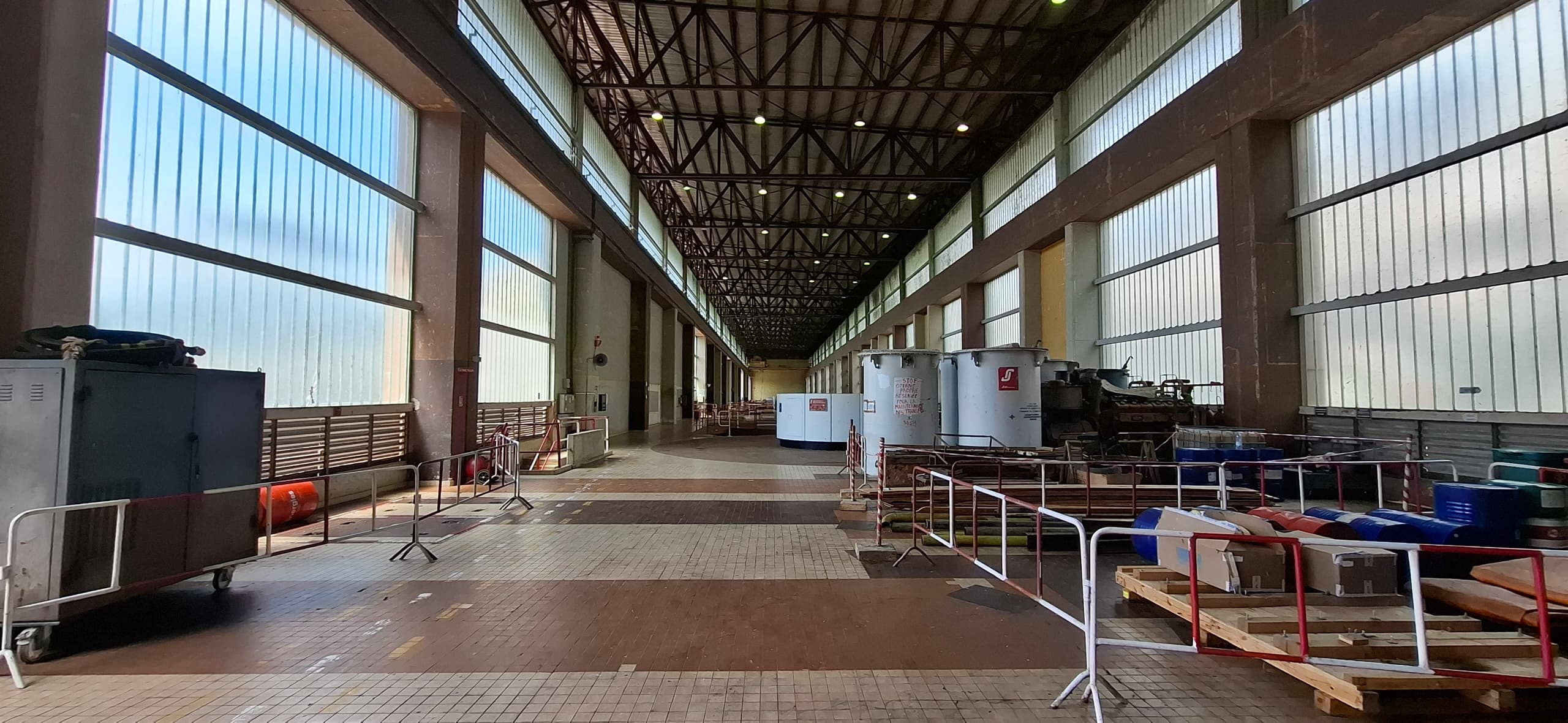
The installed capacity of the Songloulou plant is 384 MW, i.e. all its machines have a generation capacity of 384 MW (8 units of 48 MW each). Songloulou can therefore inject up to 384 MW into the system depending on consumer demand via the distribution and transmission networks.
It should be noted that the maximum peak of the Songloulou power plant has always been above its installed capacity of 384 MW, with the plant sometimes managing to generate 400 MW. In other words, Songloulou sometimes produces more than 384 MW. The utilisation rate of Songloulou's machines, which is one of the highest in the world, is around 90%.
In 2024: Songloulou came first, with 38% of the total SIG generation (384 MW of installed capacity). Edea came with 25% (276 MW) and Memve'Ele with 12%.
January to April 2025: Songloulou remains the leader (35%), but Nachtigal (420 MW, recently commissioned) rises to 31%, becoming a key player.
Edea remains at 21%.
Songloulou suffered a temporary fall of 3% in March 2025, due to a decline in its capacity.
Songloulou is a historical pillar. Songloulou provides a stable base, but Nachtigal is reshaping the energy map, reducing the company's historical dependence on Songloulou.
Songloulou is stable and reliable. Songloulou's current level of performance is due to the regular investments made in this facility and the implementation of a rigorous maintenance plan year after year.
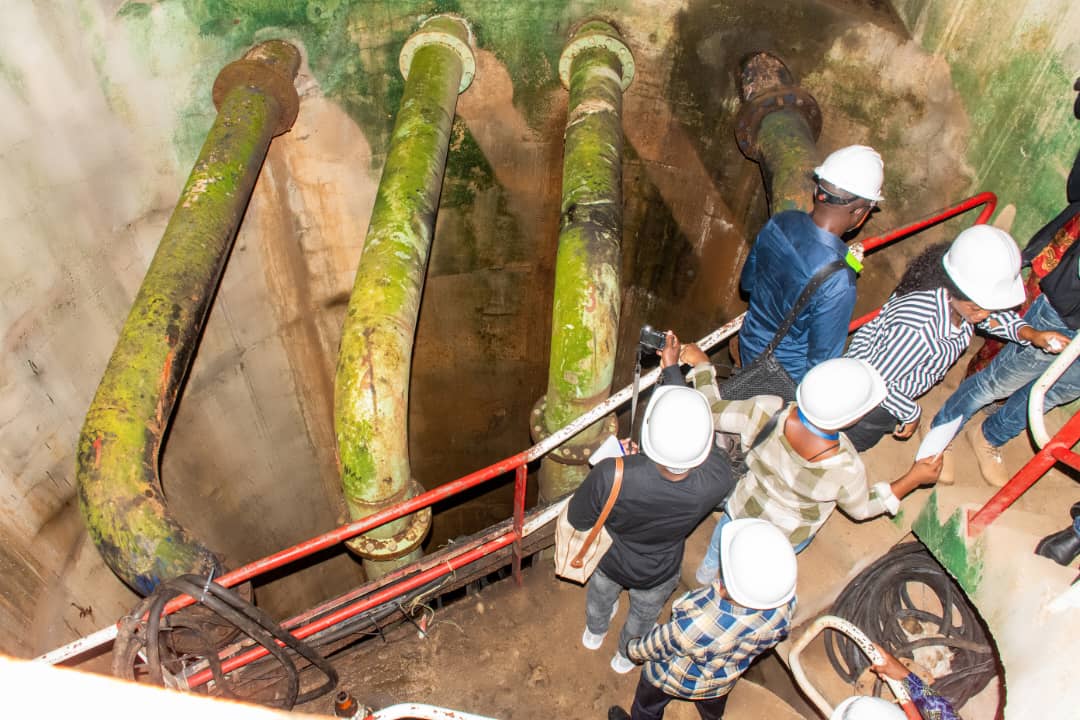
The most high-profile investment programme in recent years has focused on a series of actions designed to secure the foundations of the dam, install cutting-edge monitoring technology, and rehabilitate and/or renew a number of modulation facilities, such as the spillways. This is the so-called rehabilitation programme, also known as DAM SAFETY. It is a programme that has made it possible to respond to the spread of a disease detected as early as the 1980s.
Technical challenges: AGR and plant maintenance
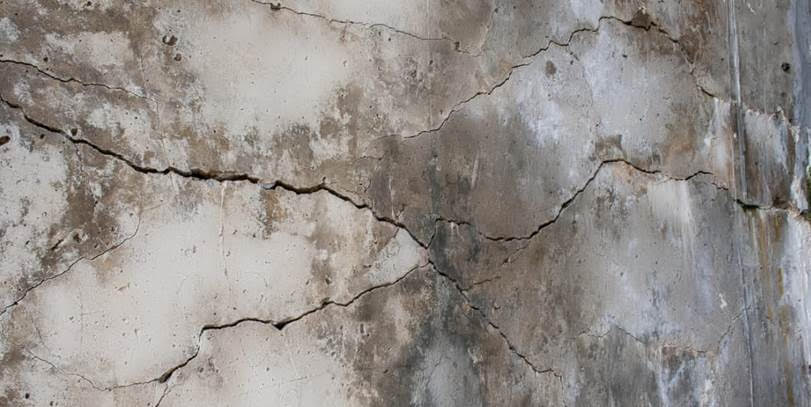
The Songloulou power plant is facing a major structural challenge: the Alkali-Granulate Reaction (AGR), detected as early as the 1980s.
Manifestations: Cracks, swelling of concretes, and reduction in equipment clearances.
By way of international comparison:
- Chambon dam (France): Swellings of 1 to 5 mm/year, requiring reinforcement in 1992 and 2012.
- Center Hill (United States): Cutting of blocks in 2007 and 2013 to limit damage.
AGR is a globally recognised risk for old dams. The measures taken at Songloulou (Hydro-Québec studies, sawing of blocks, waterproofing) are part of a long-term safety approach, but will require continuous investment.
The 1st phase of the DAM Safety programme and the major maintenance operations carried out since 2008 led to the conclusion in 2020, based on numerous studies and assessments by government stakeholders, that the Songloulou dam is stable.
Phase 2 of DAM Safety is now underway, with the first studies establishing the need to renew and strengthen the dam and plant during this phase, with the aim of giving the Songloulou facility a new lease of life and, above all, extending its lifespan by at least 30 years.
The DAM SAFETY Programme, estimated at CFA F 72 billion, is divided into two phases.
- Phase 1, the emergency phase, costing nearly 20 billion. Close to 11 billion have already been committed.
- Phase 2, the complementary phase, costing 52 billion, with 7 billion already committed.
In total, therefore, 18 billion have been committed for phases 1 and 2.
Financing
So far all funds have been provided by Eneo.
Eneo's technical and financial constraints, including those to be contracted with donors, are impacting the pace of work.
Hydrological context and flow regulation
The SIG is heavily dependent on the Sanaga basin, which is regulated by several reservoirs:
Lom Pangar (6.2 billion m³): 6 days to reach Songloulou.
Bamendji (1.8 billion m³), Mape (3.3 billion m³) and Mbakaou (2.6 billion m³): 5.5 to 7.5 days transit.
To generate power in the plants located on the Sanaga, the plants must receive water released from these upstream dams, combined with the residual water contained in the river. These two volumes of water make up the flow required to turn the turbines.
To ensure generation in year N, one of the challenges is therefore to fill the dams by the end of November of each year N-1, the other challenge is to have sufficient residual water in the Sanaga, and the last challenge is to have the machines or units up and running.
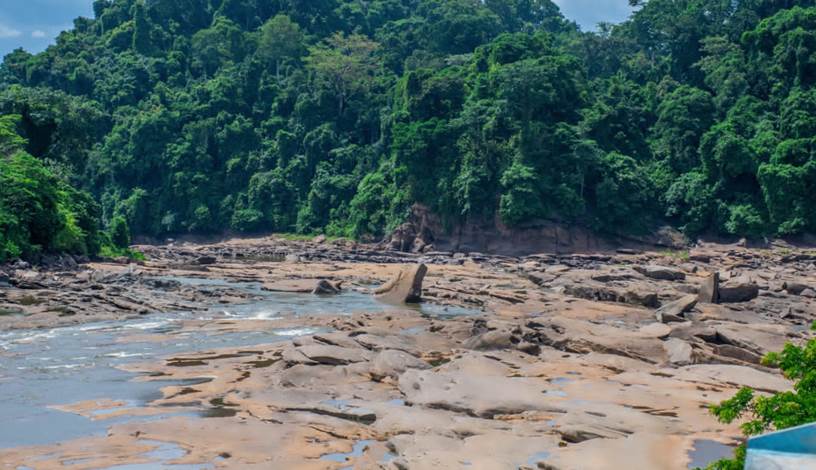
In 2025, we started the year with a shortfall of around 2 billion m3 in the filling of the dams, and the low-water level on the Sanaga was severe. These two factors led to generation that was often lower than possible at the three major power stations.
Impact: These reservoirs stabilise flows, enabling Songloulou and Edea to operate at full capacity even during the dry season.
Future prospects and challenges
Nachtigal (420 MW): Its commissioning in 2025 will rebalance the energy mix, but raises the issue of optimal interconnection with Songloulou and Edea.
Infrastructure modernisation: The DAM SAFETY and refurbishment programmes (2008-2025) aim to extend the life of the historic power plants.
Climate risks: Prolonged drought could affect reservoirs, highlighting the need to diversify sources (solar, wind, etc.).
Conclusion
The Cameroon SIG is at a turning point: Songloulou remains indispensable, but Nachtigal embodies the transition to a more resilient network. Technical (AGR) and hydrological challenges call for increased vigilance, while investment in maintenance and new infrastructure will determine the country's ability to meet growing demand (+7% annually).


